Sports Nutrition for Kids and Young Athletes
Your child is training hard, growing fast, and running on granola bars and whatever the team snack is. Sports nutrition for kids is different from adult performance nutrition, and getting it right supports both the season and the growing body underneath it.
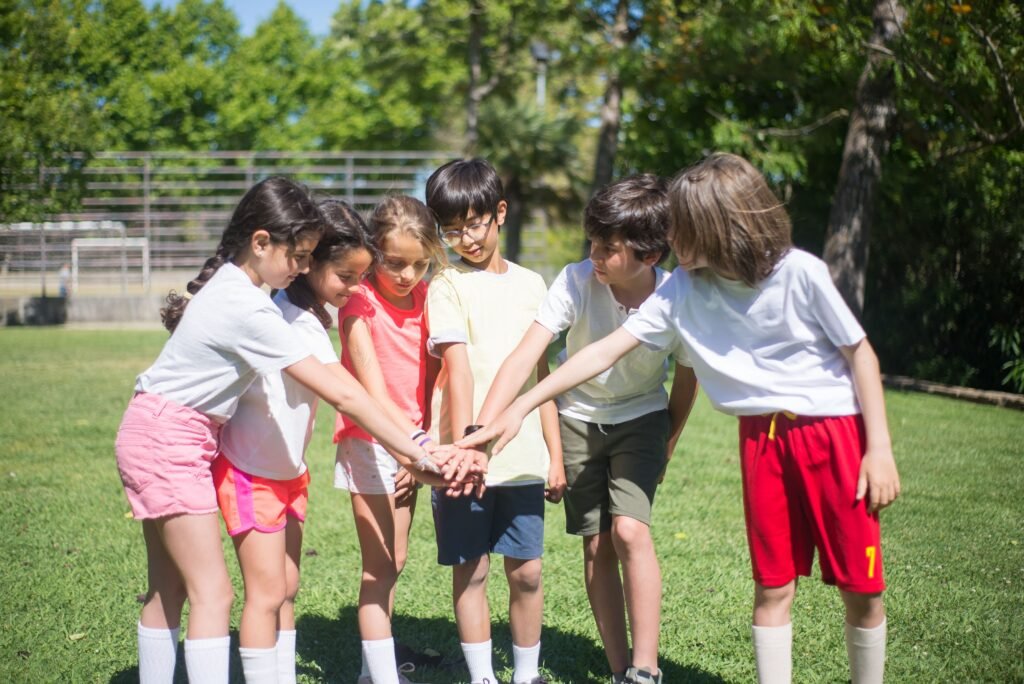
Nadler Nutrition offers personalized sports nutrition for kids and teens as part of our pediatric nutrition services. Therese Nadler, MS, RDN, LDN, works one-on-one with young athletes and their families to support growth, energy, performance, and recovery, with practical fueling strategies that fit their sport, schedule, and individual needs. Virtual sessions make expert nutrition support easy to fit in around practices, games, and tournaments.
Why Sports Nutrition for Kids Is Different
Young athletes aren’t small adults. A child in a competitive soccer season is doing two demanding jobs at once: training and growing. Advice built for adult athletes, or picked up from teammates and social media, often shortchanges one or the other.
Under-fueling is common in youth sports and easy to miss. A young athlete who isn’t eating enough for their activity can see it show up in energy, mood, recovery, injuries, and growth, long before anyone connects it to food.
The good news: youth sports nutrition doesn’t require complicated plans or supplements. It mostly requires enough food, at the right times, from a kid-friendly plate.
This may sound familiar if…
What Our Youth Sports Nutrition Program Covers
As a pediatric sports dietitian, Therese looks at the whole athlete: training load, growth, appetite, schedule, and food preferences. Then she builds a fueling plan the family can actually follow.
Eating enough for training and growth
We look at what your child eats across a real week, next to their practice and game schedule, and make sure total fuel supports both performance and growth. No calorie counting for kids, just meals and snacks that add up.
Game-day and tournament fueling
What to eat before practice, between tournament games, and after a late kickoff, with specific, kid-approved options that travel well. You leave with a simple game-day plan instead of guesswork at the concession stand.
Recovery, hydration, and injury resilience
Recovery nutrition helps young athletes bounce back between sessions and supports bones, muscles, and sleep. We also cover hydration habits that work for kids who forget to drink until they’re thirsty.
Straight answers on supplements
Protein powders, creatine, energy drinks, electrolyte mixes: young athletes hear about all of them. We give honest, evidence-based answers about what is unnecessary, what is unsafe for kids, and the rare cases where a supplement makes sense.
A healthy relationship with food and body
Sports culture can push kids toward restriction or “eating clean” long before it’s healthy. We keep the focus on fueling performance, never on weight, and help parents spot warning signs early.
Fueling the selective eater who plays sports
Plenty of young athletes are also picky eaters. We build fueling plans from foods your child already accepts, and expand from there. See our picky eating support page for that side of care.
What Working With a Sports Dietitian for Kids Looks Like
Everything happens by video, from home, so there’s no extra driving in an already packed sports schedule.
Free consultation call
A relaxed 15-minute call to hear about your athlete, their sport, and your goals, and see if we are the right fit.
Athlete assessment
We review your child’s health history, growth, training and game schedule, current eating pattern, sleep, and any injuries or concerns from coaches or doctors.
Your family’s fueling plan
A written plan for meals, snacks, game days, and tournaments, built from foods your child likes and a schedule your family can keep.
Ongoing support through the season
Follow-ups adjust the plan as training ramps up, seasons change, and your athlete grows.
What’s included
Fees
We’ll walk through session options and fees on your free consultation call, so you know exactly what to expect before you commit.
Sports nutrition is one part of our wider pediatric nutrition services for kids and teens.
Performance First, Never Weight
Youth sports nutrition should make kids stronger, faster, and more confident, not anxious about food.
If your athlete’s eating has become restrictive, fearful, or tied to body image, we take that seriously. Nutrition support can work alongside your pediatrician and, when needed, mental health care.
Our commitments
Ready to fuel a stronger season?
Find out if we are the right fit in a free consultation call.
Meet Your Dietitian: Therese Nadler MS, RDN, LDN
Therese Nadler MS, RDN, LDN is a registered dietitian with 15+ years of experience and advanced functional and integrative training. She provides sports nutrition for kids and teens, working with young athletes and their parents to build fueling habits that support performance now and a healthy relationship with food for life.
Meet Therese →Sports Nutrition for Kids: Common Questions
What does a sports nutritionist for kids do?
A sports nutritionist for kids looks at your child’s sport, training schedule, growth, and eating habits, then builds a practical fueling plan for training days, game days, and recovery. Therese Nadler MS, RDN, LDN is a registered dietitian, so the guidance is credentialed and built for growing bodies, not scaled down from adult plans.
What should my child eat before a game or practice?
A meal with carbohydrates and some protein about 2 to 3 hours before, then a small carb-based snack closer to start time if there’s a gap. Familiar foods work best on game day; new foods are for training days. We build exact options around your child’s preferences and schedule.
How do we handle all-day tournaments?
Plan a cooler, not a concession stand. Between games, small carb-focused snacks and steady fluids keep energy up without an over-full stomach; a bigger meal fits after the last game. A written tournament plan is part of what families leave with.
Does my child need protein powder or supplements?
Almost never. Most young athletes can meet protein needs from food, and many sports supplements are untested or unsafe for kids. Energy drinks are not appropriate for children. When a true gap exists, such as iron or vitamin D, we address it with your child’s doctor.
How much should a young athlete drink?
Water covers most practices. For long, hot, or back-to-back sessions, a sports drink can help replace fluids and electrolytes. We teach kids simple habits, like drinking with meals, carrying a bottle, and checking urine color, instead of rigid rules.
My athlete is a picky eater. Can this still work?
Yes. We build the fueling plan from foods your child already accepts, then widen the plate gradually using the same gentle methods from our picky eating support work. Performance is often a strong motivator for trying new foods.
What are signs my child isn’t eating enough for their sport?
Fading energy in games, slow recovery, frequent injuries or stress fractures, getting sick often, irritability, trouble sleeping, or stalled growth can all point to under-fueling. In girls, missed or delayed periods are an important sign. These deserve attention from your pediatrician and a dietitian.
Strong Seasons Start With Good Fuel
You don’t need supplements or complicated plans. You need a sports nutrition routine that fits your athlete and your family’s real schedule. Start with a free consultation call and we’ll talk through your child’s sport, season, and goals.
Book a Free Consultation →This page shares general information and is not a substitute for medical advice. Please talk with your child’s pediatrician about any medical concerns.