Osteoarthritis: Proper Nutrition For Prevention
Osteoarthritis (OA) is a degenerative joint disease that affects millions of people worldwide. Characterized by the...
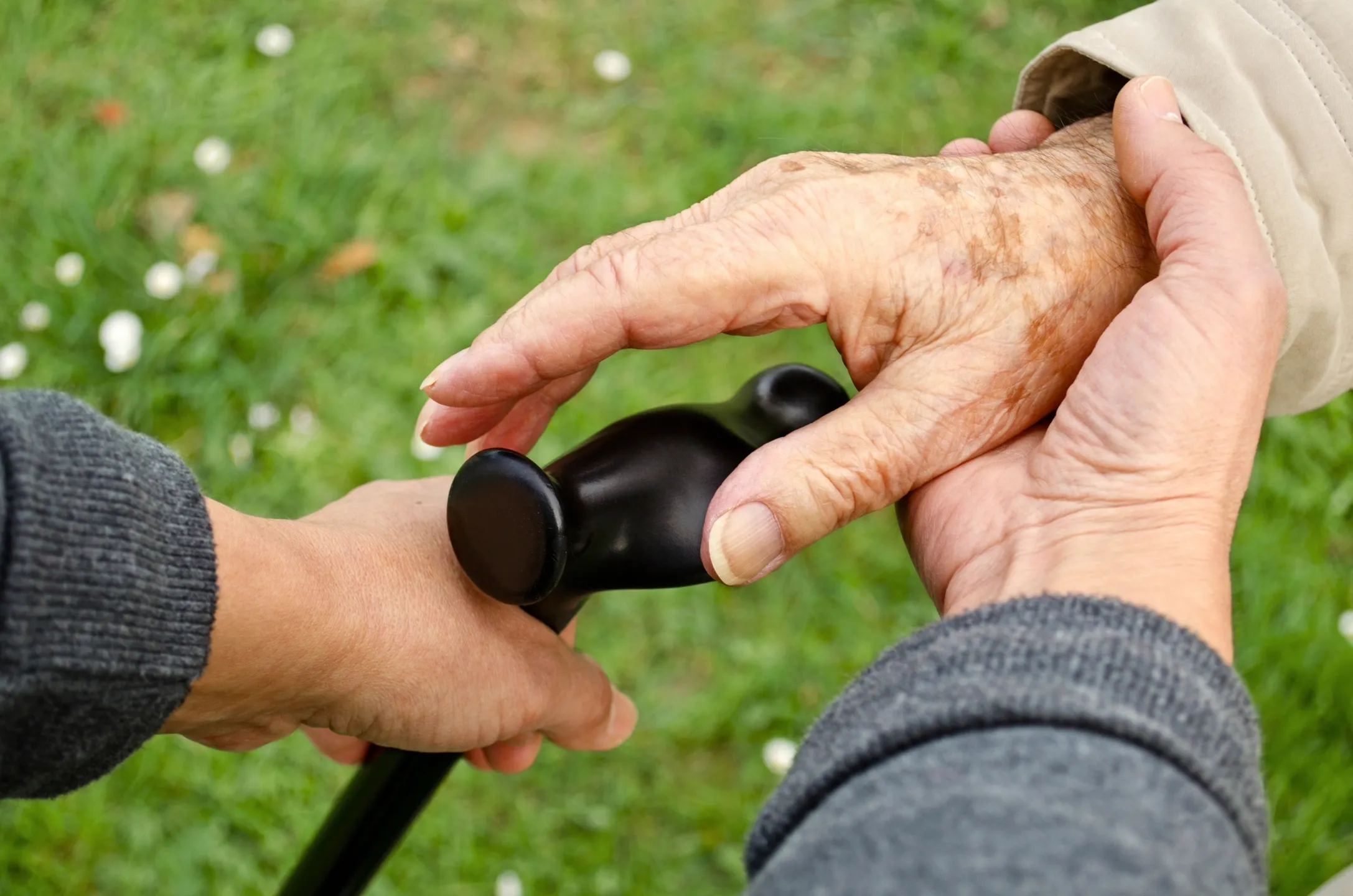
Osteoarthritis (OA) is a degenerative joint disease that affects millions of people worldwide. Characterized by the breakdown of cartilage and underlying bone, OA leads to pain, stiffness, and reduced mobility. While there is no cure, several preventative measures, dietary habits, and lifestyle changes can help avoid the onset of OA or mitigate its symptoms. This article explores these strategies, including the best diet to follow, the role of bone broth, alcohol consumption, nutritional supplements, and lifestyle changes to limit pain and improve quality of life.
How to Prevent Osteoarthritis
1. Maintain a Healthy Weight
Excess body weight increases the load on weight-bearing joints such as the knees, hips, and spine, accelerating cartilage wear and tear. Maintaining a healthy weight through a balanced diet and regular exercise can significantly reduce the risk of developing OA.
- Impact of Weight on OA: Research shows that each pound of weight loss can reduce the load on the knee joint by four pounds.
- Body Mass Index (BMI): Keeping a BMI within the normal range (18.5-24.9) is associated with a lower risk of OA.
2. Engage in Regular Exercise
Regular physical activity strengthens the muscles around the joints, maintains joint flexibility, and helps control weight. Low-impact exercises such as swimming, cycling, and walking are particularly beneficial.
- Exercise and Joint Health: A study published in Arthritis Care & Research found that regular moderate exercise reduced the risk of OA in the knee by 30%.
3. Avoid Joint Injuries
Preventing joint injuries, particularly during sports or repetitive activities, can lower the risk of developing OA later in life. Proper training, using appropriate equipment, and allowing adequate rest are essential preventive measures.
Best Diet to Avoid Osteoarthritis
1. Anti-Inflammatory Foods
An anti-inflammatory diet rich in fruits, vegetables, whole grains, lean proteins, and healthy fats can help reduce inflammation and support joint health.
- Fruits and Vegetables: High in antioxidants, vitamins, and minerals that combat inflammation. Berries, leafy greens, and citrus fruits are particularly beneficial.
- Omega-3 Fatty Acids: Found in fatty fish, flaxseeds, and walnuts, omega-3s have potent anti-inflammatory effects.
- Whole Grains: Foods like quinoa, brown rice, and oats provide fiber and nutrients that help reduce inflammation.
2. Limit Pro-Inflammatory Foods
Reducing the intake of foods that promote inflammation can also help manage OA.
- Refined Carbohydrates: Such as white bread, pastries, and sugary drinks, can increase inflammation.
- Processed and Red Meats: High in saturated fats and preservatives that can exacerbate inflammation.
3. Consider Bone Broth
Bone broth is rich in collagen, glucosamine, chondroitin, and amino acids, which may support joint and bone health.
- Bone Broth Benefits: Some studies suggest that the nutrients in bone broth can help maintain cartilage health and reduce inflammation.
4. Limit or Avoid Alcohol
Excessive alcohol consumption can exacerbate inflammation and negatively impact joint health. Moderation is key, and limiting alcohol can be beneficial for preventing OA.
- Alcohol and Inflammation: Alcohol can increase inflammatory markers in the body, contributing to joint pain and swelling.
Nutritional Strategies and Supplements That Help Osteoarthritis
1. Glucosamine and Chondroitin
These supplements are often used to support joint health and may help reduce the symptoms of OA by maintaining cartilage structure and reducing inflammation.
- Efficacy: Some studies suggest that glucosamine and chondroitin can alleviate joint pain and improve function in OA patients.
2. Vitamin D
Vitamin D is crucial for bone health, and deficiency can exacerbate OA symptoms. Ensuring adequate vitamin D levels through sunlight exposure, diet, or supplements can support joint health.
- Bone Health: Adequate vitamin D levels help maintain bone density and reduce the risk of fractures.
3. Omega-3 Fatty Acids
Supplementing with omega-3s can further reduce inflammation and joint pain in OA.
- Supplement Benefits: Studies have demonstrated that omega-3 supplements can decrease the severity of OA symptoms.
4. Turmeric
Curcumin, the active compound in turmeric, has strong anti-inflammatory and antioxidant properties, which can help manage OA symptoms.
- Anti-Inflammatory Effects: Research has shown that curcumin can reduce joint pain and improve mobility in OA patients.
Lifestyle Changes to Limit Pain from Osteoarthritis
1. Regular Physical Activity
Consistent, moderate exercise helps maintain joint flexibility and muscle strength, reducing pain and improving function.
- Exercise Benefits: Activities such as yoga, tai chi, and water aerobics are particularly effective for OA management.
2. Weight Management
Maintaining a healthy weight reduces stress on joints, thereby decreasing pain and slowing the progression of OA.
- Weight Loss Impact: Even modest weight loss can lead to significant improvements in joint pain and function.
3. Physical Therapy
Physical therapy can provide targeted exercises and techniques to strengthen the muscles around affected joints, enhance mobility, and reduce pain.
- Therapeutic Exercises: Physical therapists can design personalized exercise programs to support joint health and manage OA symptoms.
4. Heat and Cold Therapy
Applying heat can relax muscles and increase blood flow, while cold therapy can reduce swelling and numb pain.
- Therapeutic Techniques: Alternating between heat and cold treatments can provide significant pain relief for OA patients.
Conclusion
Osteoarthritis can significantly impact quality of life, but adopting preventative measures, a healthy diet, and appropriate lifestyle changes can help manage and mitigate its effects. By maintaining a healthy weight, engaging in regular exercise, and avoiding joint injuries, individuals can reduce their risk of developing OA. Incorporating anti-inflammatory foods, supplements like glucosamine, chondroitin, vitamin D, and turmeric, and making lifestyle changes such as physical therapy and weight management can help manage OA symptoms and improve overall joint health.
To build habits that protect your joints, strength and energy long term, learn more about healthy aging nutrition.
You may also find these helpful: What are the Best Diet(s) for Autoimmune Disease? and Strategies for Healthful Eating at Every Life Stage.
References:
- Felson, D. T., Zhang, Y., Anthony, J. M., Naimark, A., & Anderson, J. J. (1992). Weight loss reduces the risk for symptomatic knee osteoarthritis in women. Annals of Internal Medicine, 116(7), 535-539.
- Spector, T. D., & Hart, D. J. (1992). How serious is knee osteoarthritis? Annals of the Rheumatic Diseases, 51(1), 1105-1106.
- Messier, S. P., Mihalko, S. L., Legault, C., Miller, G. D., Nicklas, B. J., DeVita, P., … & Loeser, R. F. (2013). Effects of intensive diet and exercise on knee joint loads, inflammation, and clinical outcomes among overweight and obese adults with knee osteoarthritis: the IDEA randomized clinical trial. JAMA, 310(12), 1263-1273.
- Viljoen, M., Mncwangi, N., Vermaak, I., & Meyer, J. J. M. (2012). Anti-inflammatory iridoid glycosides from Scrophularia deserti. Phytochemistry Letters, 5(3), 518-523.
- Zainal, Z., Longman, A. J., Hurst, S., Duggan, K., Caterson, B., Hughes, C. E., & Harwood, J. L. (2009). Marine lipids modulate inflammation, matrix metalloproteinase expression and cytokine production in human chondrocytes. Prostaglandins, Leukotrienes and Essential Fatty Acids, 81(6), 325-330.
- King, D. E., Egan, B. M., & Geesey, M. E. (2003). Relation of dietary fat and fiber to elevation of C-reactive protein. American Journal of Cardiology, 92(11), 1335-1339.
- Richette, P., & Bardin, T. (2011). Gout. Lancet, 375(9711), 318-328.
- Micha, R., Wallace, S. K., & Mozaffarian, D. (2010). Red and processed meat consumption and risk of incident coronary heart disease, stroke, and diabetes mellitus: a systematic review and meta-analysis. Circulation, 121(21), 2271-2283.
- Hochberg, M. C., Martel-Pelletier, J., Monfort, J., Möller, I., Castillo, J. R., Arden, N., … & Pelletier, J. P. (2016). Combined chondroitin sulfate and glucosamine for painful knee osteoarthritis: a multicentre, randomised, double-blind, non-inferiority trial versus celecoxib. Annals of the Rheumatic Diseases, 75(1), 37-44.
- Holick, M. F. (2007). Vitamin D deficiency. New England Journal of Medicine, 357(3), 266-281.