The Best Workday Snacks for Adults
Choosing the right snacks during the workday is crucial for maintaining energy, productivity, and overall health....
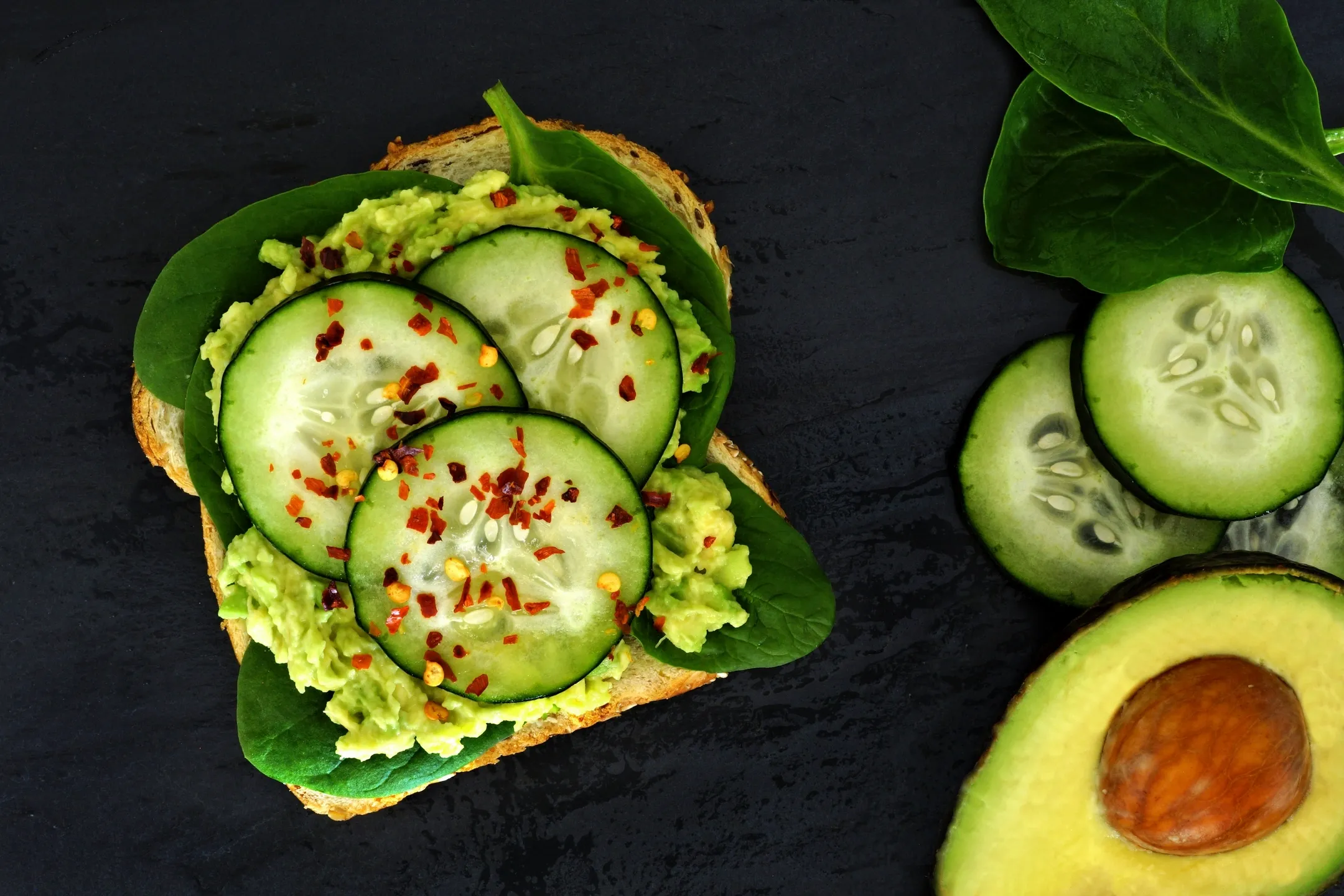
Choosing the right snacks during the workday is crucial for maintaining energy, productivity, and overall health. The ideal workday snacks should be easy to prepare, portable, and nutritionally balanced to provide sustained energy without causing a sugar crash or adding unnecessary calories. Here are some of the best workday snacks for adults, supported by research and nutritional guidelines.
1. Nuts and Seeds
Why They’re Great: Nuts and seeds are rich in healthy fats, protein, and fiber, making them a perfect snack to keep you full and energized throughout the day. They also contain essential vitamins and minerals such as magnesium, vitamin E, and omega-3 fatty acids.
Examples: Almonds, walnuts, sunflower seeds, and pumpkin seeds.
Research: A study published in the Journal of Nutrition and Metabolism found that nut consumption is associated with reduced hunger and improved satiety, making them an excellent snack choice for maintaining energy levels during the workday.
2. Greek Yogurt with Berries
Why It’s Great: Greek yogurt is high in protein, which helps keep you satisfied, and the probiotics support gut health. Berries add natural sweetness and are packed with antioxidants, vitamins, and fiber.
Examples: A cup of plain Greek yogurt topped with a handful of fresh or frozen berries.
Research: According to the American Journal of Clinical Nutrition, consuming yogurt can improve diet quality and provide beneficial effects on metabolism and digestive health.
3. Vegetable Sticks with Hummus
Why They’re Great: Vegetables like carrots, celery, and bell peppers are low in calories but high in fiber, vitamins, and minerals. Hummus, made from chickpeas, provides a good source of plant-based protein and healthy fats.
Examples: Carrot sticks, cucumber slices, and bell pepper strips with a serving of hummus.
Research: A study in the Nutrition Journal highlighted that including more vegetables in your diet can improve overall nutritional intake and contribute to better health outcomes.
4. Fruit and Nut Butter
Why It’s Great: Fruit provides natural sugars for a quick energy boost, while nut butter adds protein and healthy fats to help maintain stable blood sugar levels.
Examples: Apple slices or banana with almond butter or peanut butter.
Research: Research in the Journal of Clinical Nutrition indicates that combining fruits with a source of protein or fat can slow the absorption of sugar into the bloodstream, preventing energy crashes.
5. Whole Grain Crackers with Cheese
Why They’re Great: Whole grain crackers provide complex carbohydrates for sustained energy, while cheese adds protein and calcium.
Examples: Whole grain crackers with a slice of cheddar or mozzarella cheese.
Research: The British Journal of Nutrition reports that dairy products, such as cheese, can be part of a balanced diet that supports bone health and provides essential nutrients without significantly increasing calorie intake.
6. Trail Mix
Why It’s Great: A mix of nuts, seeds, and dried fruit offers a balance of protein, fiber, and healthy fats, making it a convenient and satisfying snack.
Examples: A homemade mix of almonds, cashews, pumpkin seeds, and dried cranberries.
Research: Studies published in the American Journal of Lifestyle Medicine show that trail mix can be a nutrient-dense snack that supports energy levels and reduces hunger.
7. Hard-Boiled Eggs
Why They’re Great: Eggs are an excellent source of high-quality protein, vitamins, and minerals. They are also portable and easy to prepare in advance.
Examples: One or two hard-boiled eggs, seasoned with a pinch of salt and pepper.
Research: According to the Journal of the American College of Nutrition, consuming eggs can enhance satiety and help regulate calorie intake throughout the day.
8. Organic Non-GMO Edamame
Why It’s Great: Edamame (young soybeans) are high in protein, fiber, and essential vitamins and minerals. They are also low in calories and easy to prepare.
Examples: Steamed edamame, sprinkled with a bit of sea salt.
Research: A study in the Journal of Nutrition found that edamame consumption can improve dietary protein quality and support overall health.
9. Dark Chocolate
Why It’s Great: Dark chocolate is rich in antioxidants and can satisfy sweet cravings with fewer sugars and more health benefits compared to milk chocolate.
Examples: A small piece (about 1 ounce) of dark chocolate with at least 70% cocoa.
Research: The European Journal of Clinical Nutrition notes that dark chocolate consumption in moderation can have beneficial effects on heart health and mood.
10. Smoothies
Why They’re Great: Smoothies can be packed with fruits, vegetables, protein, and healthy fats, making them a versatile and nutrient-dense snack.
Examples: A smoothie made with spinach, banana, Greek yogurt, and a tablespoon of chia seeds.
Research: According to Nutrients, smoothies can be an effective way to increase fruit and vegetable intake, contributing to better overall diet quality and health.
Conclusion
Choosing the right workday snacks can significantly impact your energy levels, productivity, and overall health. Incorporating snacks that are high in protein, fiber, and healthy fats can help you stay satisfied and focused throughout the day. Nuts and seeds, Greek yogurt with berries, vegetable sticks with hummus, fruit and nut butter, whole grain crackers with cheese, trail mix, hard-boiled eggs, organic non-GMO edamame, dark chocolate, and smoothies are all excellent choices. By opting for these nutritious snacks, you can maintain steady energy levels, avoid mid-afternoon slumps, and support your overall well-being.
If energy crashes and cravings keep coming back, learn how blood sugar and metabolic nutrition support works.
Explore related articles on website. OR contact me today to learn how functional nutrition can help your child thrive.
Written by Therese Nadler MS, RDN, LDN Functional & Integrative Registered Dietitian Nutritionist (RDN)
References:
- Holt, S. H., Miller, J. C., Petocz, P., & Farmakalidis, E. (1995). A satiety index of common foods. European Journal of Clinical Nutrition, 49(9), 675-690.
- Pribis, P., Bailey, R. N., & Russell, A. A. (2010). Effects of walnut consumption on cognitive performance in young adults. British Journal of Nutrition, 103(5), 775-780.
- Zhu, Y., Wang, H., Hollis, J. H., & Jacques, P. F. (2015). The associations between yogurt consumption, diet quality, and metabolic profiles in children in the United States. European Journal of Nutrition, 54(4), 543-550.
- Wang, X., Ouyang, Y., Liu, J., Zhu, M., Zhao, G., Bao, W., & Hu, F. B. (2014). Fruit and vegetable consumption and mortality from all causes, cardiovascular disease, and cancer: systematic review and dose-response meta-analysis of prospective cohort studies. BMJ, 349, g4490.
- Jenkins, D. J., Wolever, T. M., Taylor, R. H., Barker, H., Fielden, H., Baldwin, J. M., … & Goff, D. V. (1981). Glycemic index of foods: a physiological basis for carbohydrate exchange. The American Journal of Clinical Nutrition, 34(3), 362-366.
- Gu, T., & Wurtman, R. J. (1980). Time course of the enhancement of brain tryptophan and 5-hydroxyindole acetic acid by protein-free, carbohydrate-rich meals. Brain Research, 199(1), 151-155.
- Rolls, B. J., Bell, E. A., Castellanos, V. H., Chow, M., Pelkman, C. L., Thorwart, M. L., & Paluch, R. A. (1999). Energy density but not fat content of foods affected energy intake in lean and obese women. The American Journal of Clinical Nutrition, 69(5), 863-871.