Chia vs Flax vs Hemp vs Basil Seeds: Which Is Best?
Seeds are the most underrated upgrade in the average kitchen. A single spoonful of chia, flax,...
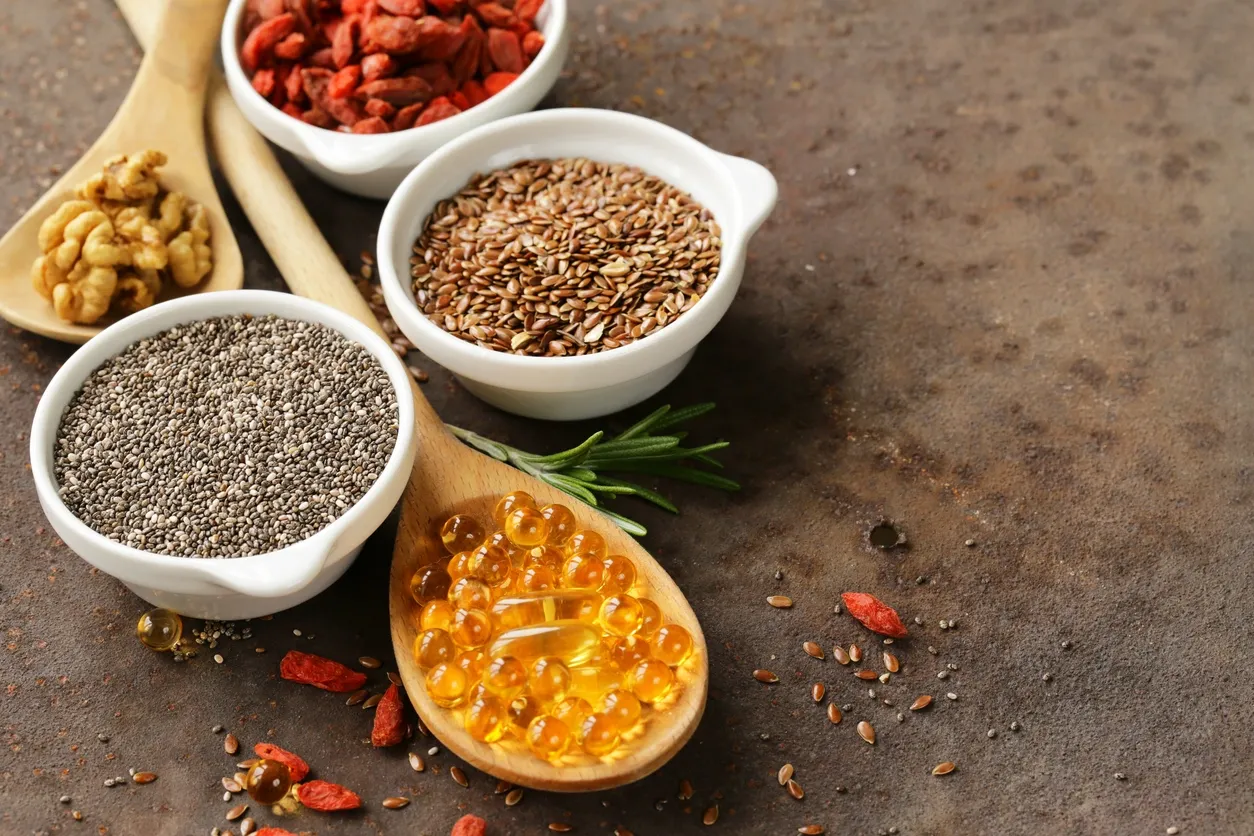
Seeds are the most underrated upgrade in the average kitchen. A single spoonful of chia, flax, or hemp adds fiber, plant protein, omega-3 fats, and minerals to food your family already eats, with almost no effort and no flavor fight. As a dietitian I recommend them constantly, for picky eaters who need calories that count and for women navigating hormone changes who need fiber and lignans working for them.
This guide compares chia, flax, hemp, and basil seeds side by side: what each one does best, how much to eat, whether to grind them, whether you can combine them, and easy ways to use each one every day.
Chia vs Flax vs Hemp vs Basil: Quick Comparison
Approximate values per 1 ounce (28 g, about 2 to 3 tablespoons), based on USDA FoodData Central:
| Seed | Protein | Fiber | Omega-3 (ALA) | Stands out for |
|---|---|---|---|---|
| Chia | ~5 g | ~10 g | ~5 g | Fiber, fullness, blood sugar |
| Flax (ground) | ~5 g | ~8 g | ~6 g | Omega-3s, lignans, hormones |
| Hemp (hulled) | ~9 g | ~1 g | ~3 g | Protein, magnesium, mild flavor |
| Basil | ~2 g per tbsp | ~7 g per tbsp | ~1 g per tbsp | Soluble fiber, hydration drinks |
The short version: hemp wins on protein, chia and basil win on fiber, and flax wins on omega-3s and hormone-supportive lignans. None of them is “the best.” They are teammates, and most of my clients end up using two or three.
Chia Seeds: Fiber and Fullness
Chia seeds absorb many times their weight in liquid and form a gel, which is exactly why they work. That gel slows digestion, steadies blood sugar after meals, keeps you full longer, and helps with regularity. Chia also delivers plant omega-3s (ALA), calcium, magnesium, and antioxidants, and it is a complete protein, meaning it contains all nine essential amino acids.
Easy ways to use chia: overnight chia pudding with milk of your choice and berries, stirred into oatmeal or yogurt, blended into smoothies, or as a thickener in homemade jam. Grinding chia can improve nutrient absorption, though even whole chia softens and digests well once soaked. Start with 1 tablespoon a day and drink water with it; jumping straight to large amounts of chia is the classic cause of bloating.
Flax Seeds: Omega-3s and Hormone Support
Ground flaxseed is the omega-3 leader of the group and one of the richest food sources of lignans, plant compounds with antioxidant activity that are studied for their role in hormone balance. For the women I work with through perimenopause, a daily tablespoon of ground flax is one of the simplest food-first habits I recommend. Flax also provides both soluble and insoluble fiber, which supports digestion, regularity, and healthy cholesterol levels.
One rule matters more than any other here: flax must be ground. Whole flax seeds mostly pass through undigested, which wastes their omega-3s and lignans. Buy ground flax (or grind it yourself) and store it in the fridge or freezer, because its delicate fats oxidize at room temperature. Use it in smoothies, oatmeal, and baking, or mix 1 tablespoon of ground flax with 3 tablespoons of water as an egg substitute.
Hemp Seeds: The Protein Seed
Hulled hemp seeds (hemp hearts) are the protein heavyweight, with roughly 9 grams of complete protein per ounce, plus vitamin E, magnesium, phosphorus, iron, and zinc. Their fat profile includes both omega-3 and omega-6 fatty acids in a favorable balance. Unlike chia and flax, hemp seeds are soft, mild, and slightly nutty, with no grinding and no soaking needed, which makes them the easiest seed to add to almost anything.
Sprinkle hemp seeds on salads, avocado toast, soups, and grain bowls, blend them into smoothies for creaminess, or mix them with dates and cocoa for energy balls. For kids who need more protein and calories, hemp hearts disappear into yogurt, pasta sauce, and pancake batter without changing texture, which makes them a quiet favorite in my pediatric practice.
Basil Seeds: The Underdog Worth Knowing
Basil seeds look and behave like chia’s cousin: soaked in liquid, they swell into a gel within minutes, faster than chia. They are very high in soluble fiber for very few calories, which supports digestion and fullness, and they have a long history in Ayurvedic tradition as a cooling ingredient. Try them soaked in water with lemon, stirred into coconut water, or spooned over yogurt and desserts for texture. Always soak basil seeds before eating them.
Which Seed Should You Choose?
- For omega-3s and hormone support, choose ground flax first, chia second.
- For protein, choose hemp hearts. Nothing else in this group comes close.
- For fiber, fullness, and blood sugar, choose chia or basil seeds.
- For picky eaters and kids, start with hemp for its soft texture, then hide ground flax or chia in smoothies and baking.
- For digestion and regularity, ground flax and soaked chia are the proven pair.
Can You Eat Chia, Flax, and Hemp Seeds Together?
Yes, and combining them is often the smartest approach, because their strengths fill each other’s gaps. A simple house blend: equal parts ground flax, chia, and hemp hearts kept in a jar in the fridge. One to two tablespoons of the mix gives you protein from hemp, fiber from chia, and omega-3s plus lignans from flax in a single scoop. Add it to oatmeal, yogurt, smoothies, or pancake batter.
Keep total seed intake to roughly 2 to 4 tablespoons a day for adults, less for young children, and increase gradually alongside plenty of water. Because these seeds are rich in fiber and healthy fats, more is not better; consistency is what pays off.
Whole vs Ground: Getting the Most From Your Seeds
Flax: always ground, stored cold. Chia: whole is fine if soaked, ground absorbs slightly better. Hemp: hulled hearts as sold, nothing to do. Basil: always soaked, never dry. If you remember only that, you are getting most of the benefit already.
Frequently Asked Questions
What are chia and flax seeds good for?
Digestion, regularity, steadier blood sugar, longer fullness, heart health, and plant omega-3 intake. Flax adds lignans that support hormone balance, which makes it especially useful for women over 40.
Is flax or hemp seed better?
It depends on your goal. Flax is better for omega-3s, fiber, and hormone support. Hemp is better for protein and is easier to use because it needs no grinding. Many people benefit from using both.
How much chia or flax should I eat per day?
One to two tablespoons of each is a sensible daily amount for most adults, up to about 2 to 4 tablespoons of seeds total. Start low, add water, and build up so your digestion can adjust.
Do seeds need to be refrigerated?
Ground flax and hemp hearts should live in the fridge or freezer because their fats oxidize. Whole chia and dry basil seeds are stable in a cool pantry.
Are these seeds safe for kids?
Yes, in age-appropriate amounts and textures. Soaked chia, ground flax, and hemp hearts blend easily into foods kids already eat. For toddlers, keep portions small and seeds well soaked or ground, and introduce one at a time.
The Bottom Line
Chia, flax, hemp, and basil seeds each earn their place: chia for fiber and fullness, flax for omega-3s and hormone-supportive lignans, hemp for protein, basil for soluble fiber. Grind your flax, soak your chia and basil, keep the delicate ones cold, and aim for a spoonful or two daily. Small habit, real returns.
For a plan tailored to your hormones and symptoms, learn more about hormone-supportive nutrition.
Explore related articles on the website:
- Quick and Easy Gluten Free, Dairy Free Breakfast Ideas
- How to Minimize Perimenopause Symptoms Naturally
- Blood Sugar Balance for Energy, Mood, and Burnout Prevention
Want a nutrition plan that fits your family’s real life? Contact me today to learn how functional nutrition can help.
Written by Therese Nadler MS, RDN, LDN, Functional & Integrative Registered Dietitian Nutritionist (RDN)
References:
- USDA FoodData Central. Seeds, chia seeds, dried; Seeds, flaxseed; Seeds, hemp seed, hulled. Link
- Parikh, M., Netticadan, T., & Pierce, G. N. (2018). Flaxseed: its bioactive components and their cardiovascular benefits. American Journal of Physiology-Heart and Circulatory Physiology, 314(2), H146-H159. Link
- Callaway, J. C. (2004). Hempseed as a nutritional resource: An overview. Euphytica, 140(1-2), 65-72.
- Knez Hrncic, M., et al. (2019). Chia seeds (Salvia hispanica L.): an overview of phytochemical profile, isolation methods, and application. Molecules, 25(1), 11. Link
- Nemzer, B., Abshiru, N., & Zhang, M. (2019). Antioxidant and antimicrobial activities of basil seeds, chia seeds, and flaxseed oils. Journal of Food Science and Technology, 56(1), 237-244.