Chemicals in Laundry Detergents & Dryer Sheets: Risks & Dangers
Laundry detergents and dryer sheets are everyday household items, yet many contain chemicals that can pose...
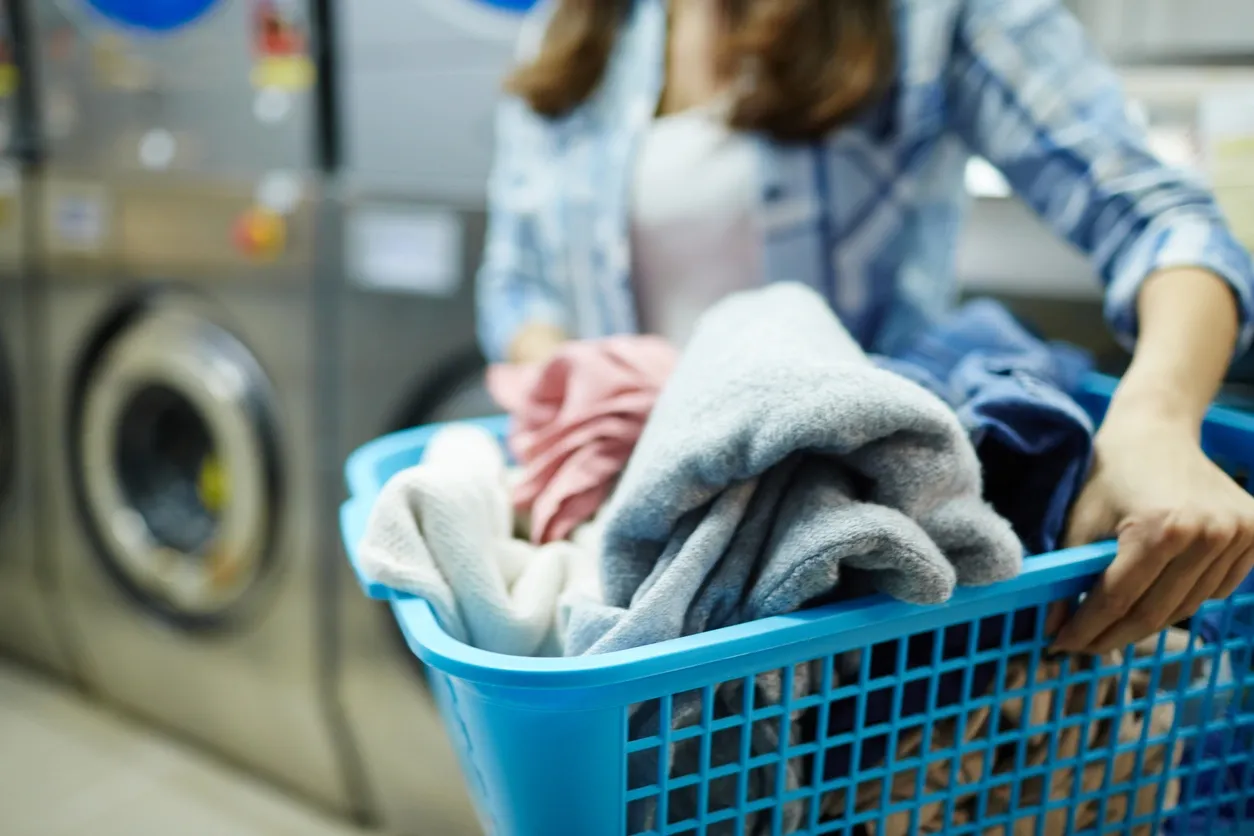
Laundry detergents and dryer sheets are everyday household items, yet many contain chemicals that can pose significant health risks. Understanding these risks and finding safer alternatives can help protect your long term health and the environment.
Chemicals to Avoid
- Phthalates
Risks:
- Hormone Disruption: Phthalates are known endocrine disruptors, meaning they can interfere with hormone systems. They have been linked to reproductive issues, developmental problems, and even increased cancer risk.
- Environmental Impact: These chemicals can persist in the environment, affecting wildlife and ecosystems.
Found In: Fragrances in detergents and dryer sheets.
- 1,4-Dioxane
Risks:
- Carcinogenic Potential: Classified as a probable human carcinogen by the Environmental Protection Agency (EPA), 1,4-dioxane has been associated with liver and kidney damage.
- Environmental Concerns: It is not easily removed by wastewater treatment plants, leading to contamination of water supplies.
Found In: Detergents as a by-product of ethoxylation, a process used to make detergents less harsh.
- Nonylphenol Ethoxylates (NPEs)
Risks:
- Endocrine Disruption: NPEs can disrupt hormone function and have been linked to reproductive issues.
- Environmental Harm: They are toxic to aquatic life and can persist in the environment, accumulating in the food chain.
Found In: Detergents as surfactants.
- Optical Brighteners
Risks:
- Skin Irritation: Can cause allergic reactions and skin irritation.
- Environmental Persistence: These chemicals do not easily biodegrade and can be harmful to aquatic life.
Found In: Detergents to make clothes appear whiter and brighter.
- Quaternary Ammonium Compounds (Quats)
Risks:
- Respiratory Issues: Quats can cause asthma and other respiratory problems.
- Skin Irritation: They can also lead to dermatitis and other skin conditions.
Found In: Fabric softeners and dryer sheets.
- Synthetic Fragrances
Risks:
- Allergic Reactions: Can cause headaches, respiratory issues, and skin irritation.
- Unknown Chemicals: The term “fragrance” can include a mix of many undisclosed chemicals, some of which can be harmful.
Found In: Both detergents and dryer sheets.
Safer Alternatives
- Natural Laundry Detergents
Examples:
- Seventh Generation: Free of synthetic fragrances, dyes, and artificial brighteners.
- Ecover: Plant-based, biodegradable ingredients that are gentle on the skin and the environment.
Benefits:
- Reduced risk of allergic reactions and skin irritation.
- Better for the environment due to biodegradable ingredients.
- Homemade Laundry Detergents
Recipe:
- Ingredients: Baking soda, washing soda, castile soap, and a few drops of essential oils (optional).
- Instructions: Mix one cup of washing soda, one cup of baking soda, and one cup of grated castile soap. Use one tablespoon per load.
Benefits:
- Control over ingredients.
- Cost-effective and environmentally friendly.
- Wool Dryer Balls
Why Use Them:
- Chemical-Free: They naturally soften clothes without the need for quats or synthetic fragrances.
- Reusable: Can be used for hundreds of loads, reducing waste.
Benefits:
- Reduced exposure to harmful chemicals.
- Lower environmental impact.
- Vinegar as Fabric Softener
How to Use:
- Instructions: Add half a cup of white vinegar to the rinse cycle.
Benefits:
- Natural softening effect without harmful chemicals.
- Helps remove residues and odors from clothes.
- Essential Oils for Fragrance
How to Use:
- Instructions: Add a few drops of essential oils like lavender or eucalyptus to wool dryer balls or homemade detergents.
Benefits:
- Provides a natural, pleasant scent without synthetic chemicals.
- Antibacterial and antifungal properties.
Conclusion
Avoiding harmful chemicals in laundry detergents and dryer sheets is crucial for protecting your health and the environment. By being aware of the risks associated with chemicals like phthalates, 1,4-dioxane, NPEs, optical brighteners, quats, and synthetic fragrances, you can make more informed choices. Opting for natural laundry detergents, homemade alternatives, wool dryer balls, vinegar, and essential oils are effective and safer options to maintain clean and fresh laundry without compromising your well-being.
Want to see how this fits the bigger picture? Read about our root-cause approach to nutrition.
You may also find these helpful: US vs European Food Additives: Chemicals In Our Food and Early Cancer Diagnosis & Chemicals in Food Supply: A Link?
References:
- National Institute of Environmental Health Sciences (NIEHS). (2021). Phthalates. Link
- Environmental Protection Agency (EPA). (2019). 1,4-Dioxane. Link
- Green Science Policy Institute. (2020). Nonylphenol Ethoxylates. Link
- American Academy of Dermatology (AAD). (2018). Contact Dermatitis. Link
- Asthma and Allergy Foundation of America (AAFA). (2018). Fragrances and Asthma. Link