CGMs for Metabolism, Hormones & Weight Loss
Are CGMs good for weight loss, hormone balance, and better metabolism? In many cases — yes....
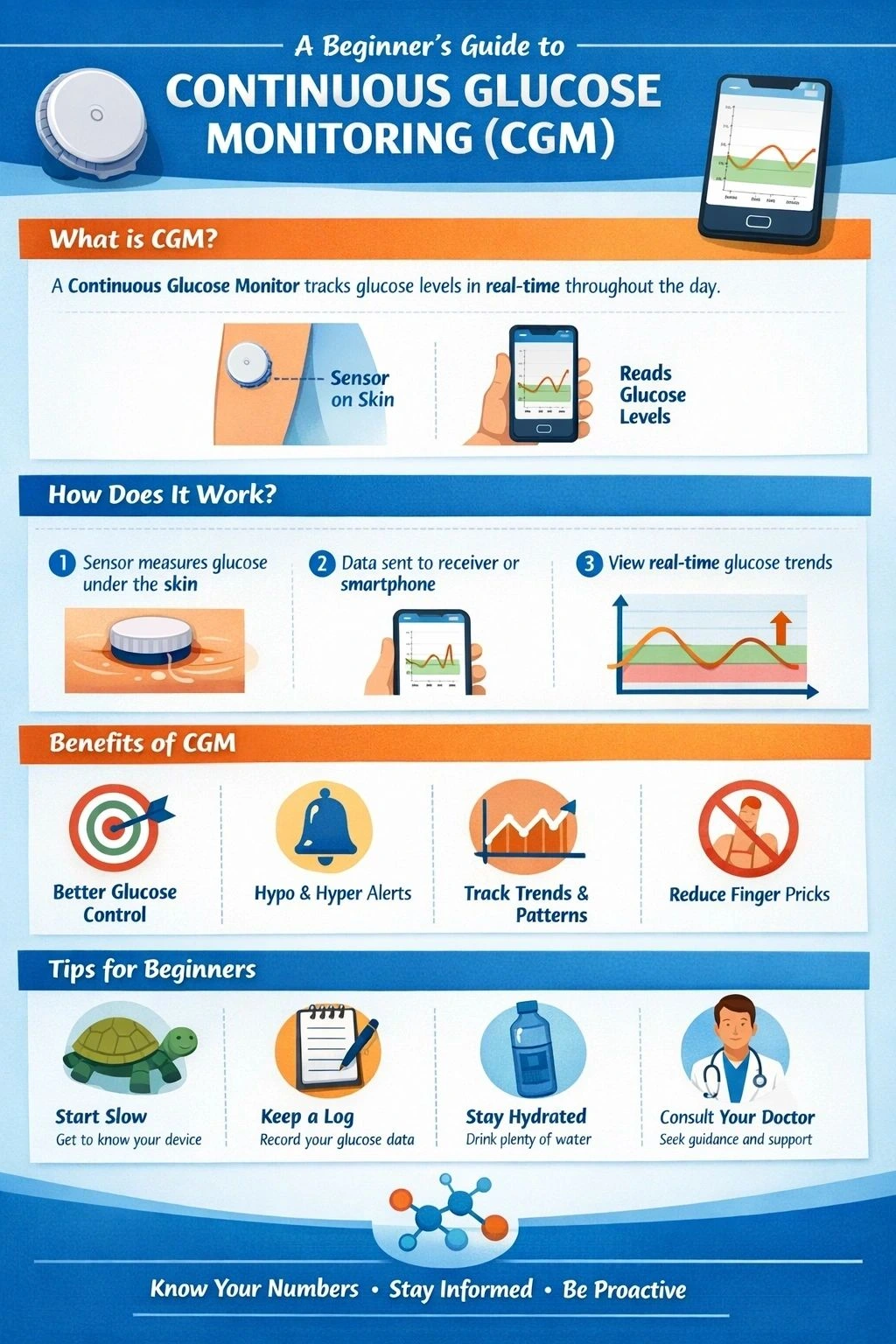
Are CGMs good for weight loss, hormone balance, and better metabolism?
In many cases — yes.
If you’re trying to:
- Lose weight (especially stubborn midlife weight)
- Navigate perimenopause or menopause
- Improve PCOS or insulin resistance
- Stabilize energy and reduce cravings
- Stop 2–3am wakeups
- Understand how food actually affects your body
A continuous glucose monitor (CGM) can be one of the most powerful metabolic tools available.
From a functional and integrative nutrition perspective, I’ve found CGMs to be transformational for many of my patients. They provide clarity almost immediately because instead of guessing, you can measure what’s actually happening metabolically in real time, not just rely on static lab values.
Why Blood Sugar Matters (Even If You’re Not Diabetic)
Blood sugar stability influences:
- Insulin
- Cortisol
- Estrogen balance
- Fat storage
- Inflammation
- Hunger hormones
- Sleep quality
Even in non-diabetic individuals, exaggerated post-meal glucose spikes are associated with oxidative stress and increased cardiovascular risk (Monnier et al., 2006; Cavalot et al., 2006).
In functional medicine, we often see unstable glucose patterns years before a diabetes diagnosis.
Tracking gives us early insight — and allows for early intervention.
Bio-Individuality: Why the Same Food Affects Everyone Differently
One of the most important findings in personalized nutrition research showed that individuals have dramatically different glycemic responses to identical foods (Zeevi et al., 2015).
That means:
- Oatmeal may spike one person but not another.
- A smoothie might cause a major surge for one client.
- A banana could be perfectly tolerated — or not.
Your gut microbiome, sleep, stress, muscle mass, hormonal status and time of day all influence your response. This is bio-individuality. And CGMs bring it to life in a tangible way.
CGMs & Hormonal Health: Perimenopause and Menopause
As estrogen declines, insulin sensitivity often declines as well (Mauvais-Jarvis et al., 2013).
Common midlife shifts include:
- Increased abdominal fat
- Higher fasting glucose
- Stronger carb cravings
- Poor sleep
- 2–3am awakenings
- Slower recovery from workouts
How Tracking Helps During Hormonal Transitions
1. Identifies Hidden Glucose Spikes Foods that didn’t spike you at 35 may spike you at 45.
2. Stabilizes Nighttime Patterns Nocturnal glucose dips can trigger cortisol and night waking.
3. Optimizes Meal Timing Insulin sensitivity declines later in the day. Late dinners often produce higher spikes.
4. Guides Exercise Strategy High-intensity training can elevate cortisol and glucose during hormonally sensitive phases.
5. Supports Lean Muscle Strength training improves insulin sensitivity and glucose disposal (Holten et al., 2004).
For many midlife women, seeing their data removes confusion and replaces it with empowerment.
PCOS, Prediabetes & Insulin Resistance
Insulin resistance is a core driver of PCOS and metabolic dysfunction.
Tracking glucose can:
- Reveal exaggerated carb responses
- Reduce reactive hypoglycemia
- Improve dietary adherence
- Reinforce protein-forward breakfasts
Lifestyle intervention reduces progression to type 2 diabetes by 58% in high-risk individuals (Knowler et al., 2002). Real-time data improves follow-through.
Weight Loss & Metabolic Flexibility
Weight loss is not just about calories. Frequent glucose spikes → elevated insulin → reduced fat oxidation. Stabilizing glucose helps:
- Reduce cravings
- Improve satiety
- Prevent afternoon crashes
- Increase metabolic flexibility
Even a short walk after meals significantly reduces glucose excursions (DiPietro et al., 2013). Seeing that impact on a graph is powerful.
CGMs for Athletes & Training
CGMs are increasingly used by:
- Endurance athletes
- Strength athletes
- Recreational exercisers
They help you:
- Dial in carb timing
- Avoid under-fueling
- Prevent mid-session crashes
- Optimize recovery
Studies show CGMs improve metabolic awareness even in individuals without diabetes (Johnston et al., 2021). Fueling becomes strategic, not guesswork.
Why I Recommend Tracking at Least 2x Per Year
Metabolism changes with the seasons, stress loads, travel, hormonal transitions, and sleep patterns. Summer eating (fruit, smoothies, travel) differs dramatically from winter patterns (more starches, more sugar, the holidays).
I recommend using at least two sensors per year, ideally in different seasons, to reassess and recalibrate. Some clients use them more frequently during:
- Perimenopause
- Weight loss phases
- Athletic training blocks
- High-stress seasons
But at minimum: 2x/year provides meaningful metabolic insight.
The Tool I Use in Practice
For general metabolic health, hormone balance, and weight management, I currently recommend Lingo because it is designed specifically for metabolic health and lifestyle optimization.
This sensor requires no prescription, tracks glucose 24/7, syncs with a coaching app, provides real-time metabolic insights, and is built for general wellness (not just diabetes management).
For most of my clients focused on hormones, metabolism, and sustainable weight loss, it’s a strong fit. With code LNGHCP8 at hellolingo.com, sensors can be as low as $37, including the coaching app.
For two weeks of personalized metabolic data, that’s a powerful and fairly affordable investment.
Final Thoughts
Continuous glucose monitoring is not about perfection. It’s about:
- Awareness
- Personalization
- Bio-individual insight
- Data-driven decision making
Health is not one-size-fits-all. When you can see how your body responds in real time, you stop guessing — and start optimizing.
Frequently Asked Questions About CGMs for Metabolism, Hormones & Weight Loss
1. Are continuous glucose monitors (CGMs) useful if I don’t have diabetes?
Yes. CGMs can help individuals without diabetes understand how food, stress, sleep, and exercise affect their blood sugar. Research shows that post-meal glucose spikes can impact inflammation, oxidative stress, and metabolic health — even in non-diabetic individuals.
2. Can a CGM help with weight loss?
Yes. CGMs help identify foods and habits that trigger large glucose spikes, which can drive insulin release and fat storage. Stabilizing blood sugar often improves cravings, energy, and metabolic flexibility, which are all key components of sustainable weight loss.
3. How does a CGM help during perimenopause or menopause?
During perimenopause and menopause, declining estrogen can reduce insulin sensitivity. CGMs help identify hidden glucose spikes, optimize meal timing, stabilize nighttime glucose patterns, and support body composition changes common in midlife.
4. Can CGMs help with PCOS or insulin resistance?
Yes. PCOS is strongly linked to insulin resistance. CGMs provide real-time insight into how different foods affect blood sugar, helping individuals build meals that support insulin stability and reduce reactive hypoglycemia.
5. How often should I use a CGM for metabolic tracking?
For most individuals focused on metabolic health, using a CGM at least twice per year is beneficial. Tracking during different seasons can provide insight into how changes in stress, activity, hormones, and food choices affect glucose response.
6. Is Lingo safe for people without diabetes?
Yes. Lingo is an over-the-counter CGM designed for general metabolic health. It is minimally invasive, worn short-term, and paired with a coaching app to help interpret glucose patterns.
7. Do I need a prescription for Lingo?
No. Lingo is available over the counter and does not require a prescription.
Explore related articles about wellness, nutrition, gut health, stress, burnout, and more.
If energy crashes and cravings keep coming back, learn how blood sugar and metabolic nutrition support works.
Written by Therese Nadler MS, RDN, LDN.
References
- Zeevi, D., et al. (2015). Personalized Nutrition by Prediction of Glycemic Responses. Cell, 163(5), 1079–1094.
- Mauvais-Jarvis, F., et al. (2013). Estrogen and insulin sensitivity. Endocrine Reviews, 34(3), 309–338.
- Knowler, W.C., et al. (2002). Reduction in the incidence of type 2 diabetes with lifestyle intervention. NEJM, 346, 393–403.
- Monnier, L., et al. (2006). Glucose variability and oxidative stress. JAMA, 295(14), 1681–1687.
- Cavalot, F., et al. (2006). Postprandial blood glucose and cardiovascular risk. Diabetes Care, 29(9), 2098–2103.
- Holten, M.K., et al. (2004). Strength training improves insulin sensitivity. Diabetes, 53(2), 294–305.
- DiPietro, L., et al. (2013). Postprandial walking improves glycemic control. Diabetes Care, 36(10), 3262–3268.
- Klonoff, D. C., Nguyen, K. T., Xu, N. Y., Gutierrez, A., Espinoza, J. C., & Vidmar, A. P. (2022). Use of continuous glucose monitors by people without diabetes: An idea whose time has come? Journal of Diabetes Science and Technology, 17(6), 1686–1697.